
How to control cholesterol
, by saikat dutta, 5 min reading time
, by saikat dutta, 5 min reading time
Welcome to our health blog! Today, we’re diving deep into a topic that affects millions of people around the globe: cholesterol. If you’ve ever wondered how to control cholesterol effectively, you’re in the right place! We’ll explore practical tips, lifestyle changes, and dietary adjustments that can help you manage your cholesterol levels and enhance your overall well-being. So, let’s get started on this exciting journey toward better heart health!
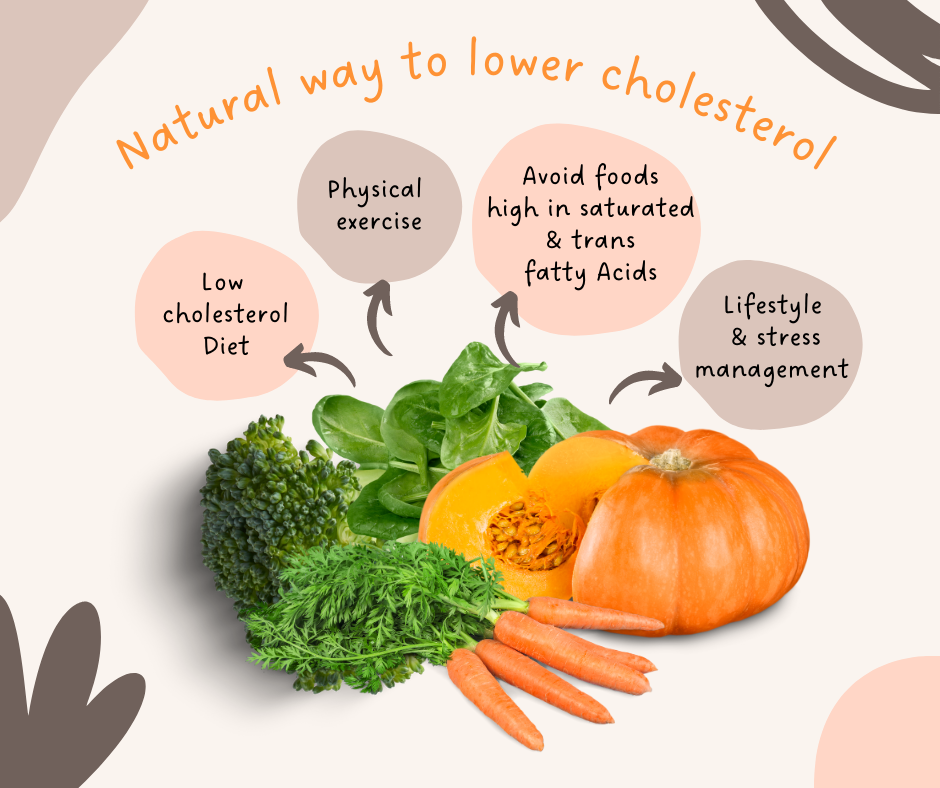
Before we discuss how to control cholesterol, it’s essential to understand what cholesterol actually is. Cholesterol is a waxy substance found in your blood that your body needs to build healthy cells. However, having high levels of cholesterol can increase your risk of heart disease and stroke. There are two types of cholesterol to be aware of: Low-Density Lipoprotein (LDL), often referred to as "bad" cholesterol, and High-Density Lipoprotein (HDL), known as "good" cholesterol. The key to heart health is maintaining a balance between these two types.
Controlling cholesterol is crucial for several reasons. High cholesterol can lead to the buildup of fatty deposits in your arteries, which can restrict blood flow and increase the risk of heart attacks and strokes. By learning how to control cholesterol, you can significantly improve your cardiovascular health and reduce the risk of serious health issues. Plus, adopting a heart-healthy lifestyle can lead to increased energy levels, improved mood, and a greater sense of well-being!
One of the most effective ways to learn how to control cholesterol is through your diet. Here are some dietary tips to consider:
Physical activity is another fantastic way to learn how to control cholesterol. Regular exercise can help raise HDL cholesterol (the good kind) while lowering LDL cholesterol. Aim for at least 150 minutes of moderate aerobic activity each week. Activities like brisk walking, cycling, swimming, or even dancing can make a significant difference in your cholesterol levels.
If you’re carrying extra pounds, losing weight can help lower your cholesterol levels. Even a modest weight loss of 5-10% of your body weight can have a positive impact. Focus on a balanced diet and regular exercise to achieve and maintain a healthy weight.
Moderate alcohol consumption may have some heart benefits, but excessive drinking can lead to serious health issues, including high cholesterol. If you choose to drink, do so in moderation—up to one drink per day for women and two drinks per day for men.
If you smoke, quitting is one of the best things you can do for your heart health. Smoking lowers HDL cholesterol and damages the blood vessels, increasing the risk of heart disease. Seek support from friends, family, or professionals to help you quit smoking and improve your overall health.
Certain supplements can also aid in controlling cholesterol. Omega-3 fatty acids, plant sterols, and soluble fiber supplements may help improve cholesterol levels. However, always consult with a healthcare professional before starting any new supplements.
To effectively learn how to control cholesterol, regular check-ups with your healthcare provider are essential. Monitoring your cholesterol levels will help you understand how well your lifestyle changes are working and whether you need to make further adjustments. Your doctor can provide personalized advice and support based on your individual health needs.
Understanding how to control cholesterol is empowering. By making informed choices about your diet, exercise, and lifestyle, you can take charge of your heart health. Remember, small changes can lead to significant results. Start by incorporating one or two of the strategies mentioned above, and gradually build on them as you become more comfortable.
In conclusion, learning how to control cholesterol is a vital step in maintaining a healthy heart and a vibrant life. By embracing a heart-healthy diet, staying active, managing your weight, and making positive lifestyle choices, you can take control of your cholesterol levels and improve your overall health. Remember, it’s never too late to start making changes!
Thank you for joining us on this journey toward better heart health! We hope you found this guide helpful and inspiring. Share your thoughts and experiences in the comments below, and let’s support each other in our quest to control cholesterol and live our best lives! Here’s to a healthier, happier you!


